
Valverde's Barcelona and the Cracks Beneath the Results
Ernesto Valverde's Barcelona is an interesting topic to discuss among the supporters of that club. Ever since his sacking in the middle of the 2019/20 season, there have been debates regarding his time in the club. Some claim that winning two La Liga titles and two Copa del Rey in two and a half seasons is enough to claim that he was a very successful coach, but the issue of the performances was a major factor in his sacking.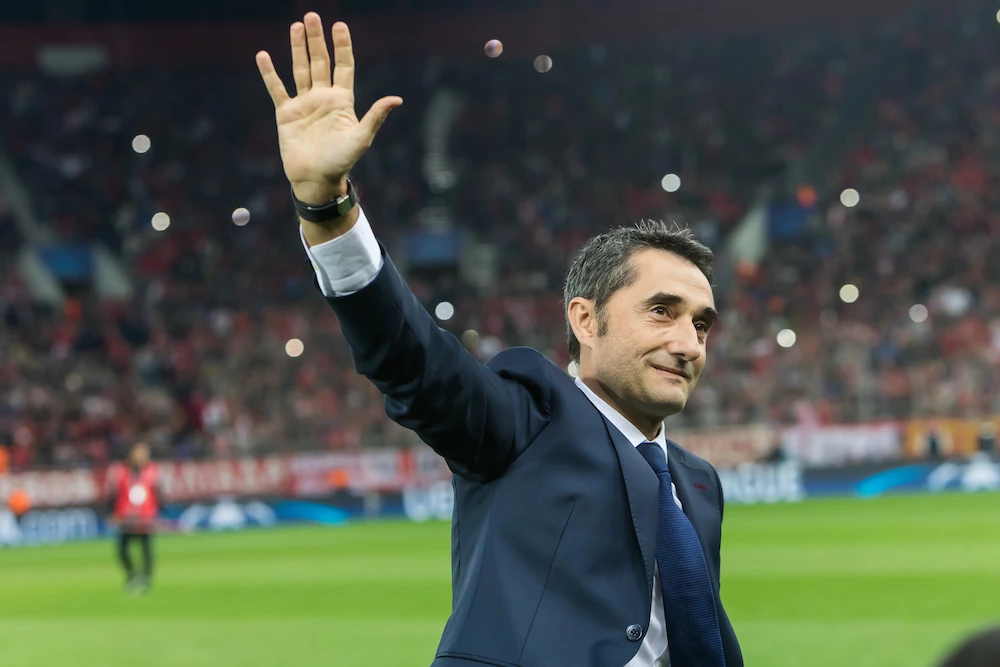
Overreliance on Messi
Lionel Messi has been the best player in the world for almost twenty years (according to most people) and was instrumental for Barcelona during his time there. No one is going to debate that, so a degree of dependence with the club's best-ever player was bound to happen at some point.This situation peaked at its most troublesome point under Valverde and appeared to raise serious concerns for the future. It would have indeed been intriguing to observe how the Spaniard would adapt if he were tasked with leading Barca into the post-Messi era, but that ultimately remains speculative.
In general, the fundamental statistics indicate that Valverde's Barca, at their peak, performed well, but not significantly better than what we have observed from his successors. In that regard, the overreliance on Messi did the manager no favors, and, to be honest, it didn't help the Argentinian, either.
At a time when Messi had to become the seasoned veteran who was slowly making way for the new generation, he was tasked with more and more, which made the situation worse in the long run.
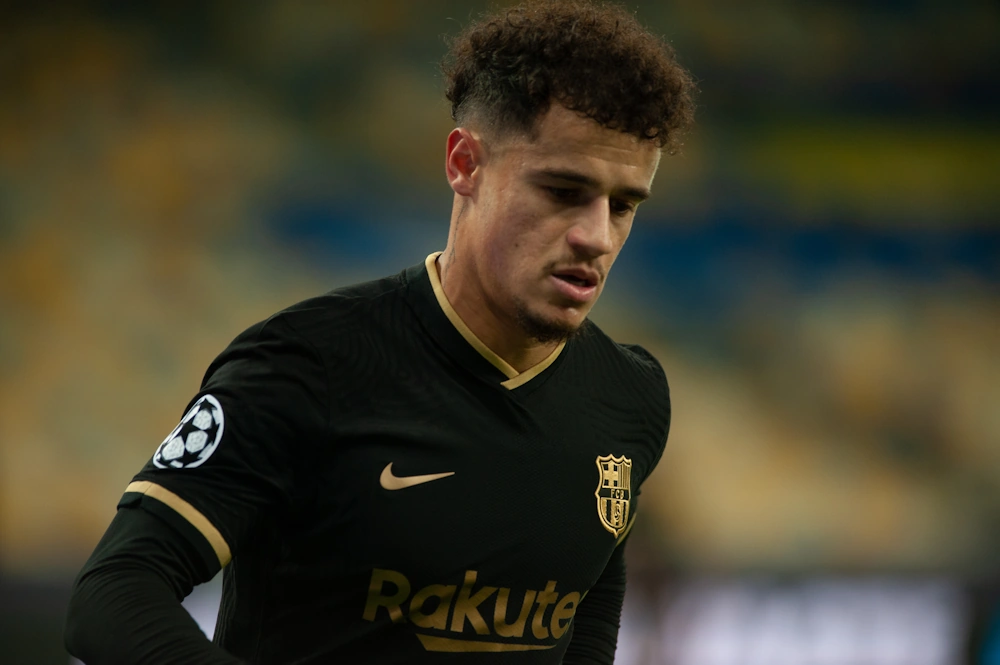
Philippe Coutinho never really found his place in Barcelona
Poor Squad-Building
Some may put this on Valverde, but it is a lot more complex than that. FC Barcelona was going through an institutional crisis at the time and this led to a lot of bizarre transfer decisions after getting the record transfer fee from Neymar Jr's sale to Paris Saint Germain in the summer of 2017.Besides losing one of the best players in the world and Messi and Luis Suárez's ideal "partner in crime", Valverde was dealing with a board that basically blew the money away on lackluster players such as Philippe Coutinho or footballers that didn't fit the system, such as Antoine Griezmann. And as the core of the squad was getting older, there was a major need for a rebuild.
All of this played a role in his eventual sacking, although it is fair to say that Barcelona continued with these issues further down the line.
Falling Apart at Key Times
However, alongside his inadequate history of player integration and development, Valverde certainly exhibited tactical shortcomings. The most notable failure during his time was certainly his inadequate game management in several of the team's most significant matches at the continental stage.Although many individuals share responsibility for Barca's outcomes in Rome and Liverpool, it's hard to view these games and exonerate Valverde completely. In Rome in 2018, problems arose with the initial roster. The Italian team emerged with remarkable intensity, much of which was to be expected, and Barca lost 3-0 to Roma. Valverde, staying true to his reputation, opted for the seemingly sensible strategy of deploying Semedo and Roberto together on the right side, with Roberto positioned as the winger.
The inability to adapt ultimately became the downfall at Anfield the next season. Beginning with Coutinho on the left-wing and expecting him to be a productive off-ball runner was, once again, a peculiar decision, yet what may be overlooked about that game is that the first half was largely balanced.
Whereas Roma totally stifled and dominated Barca in every aspect, this game was comparatively more open. Valverde, possibly taking lessons from last year, positioned Roberto as the right-back, allowing Alba to move forward effectively, while Messi generated numerous opportunities. Problems, however, became apparent quite early in how Barca managed Liverpool's midfield runners.
The end result was that they lost 4-0 to Liverpool, thus losing the 3-0 lead they had from the home match.
Boring Football
Ernesto Valverde's Barcelona was mainly a pragmatic affair, which would end up having an impact on how he was regarded by the supporters. This is a club that prides itself on attractive football and the Spaniard was offering results rather than football, but once the former began to run out during the 2019/20 season, their performances were becoming a huge point of criticism.For a club that takes pride in quick, sharp, and possession-oriented football, the practicality that emerged during Valverde's tenure - evident in the initial scoreless draw with Real Madrid in 17 years - diminished trust.
A midfield consisting of Sergio Busquets, De Jong, and Ivan Rakitic ought to be delivering improved performances; however, they struggled in matches that season, and their inability to dominate that match against Espanyol brought Valverde nearer to the departure.
In 10 away La Liga matches that season, Barcelona had failed to secure a clean sheet for the seventh time, conceding 11 goals during this span and winning only four times.
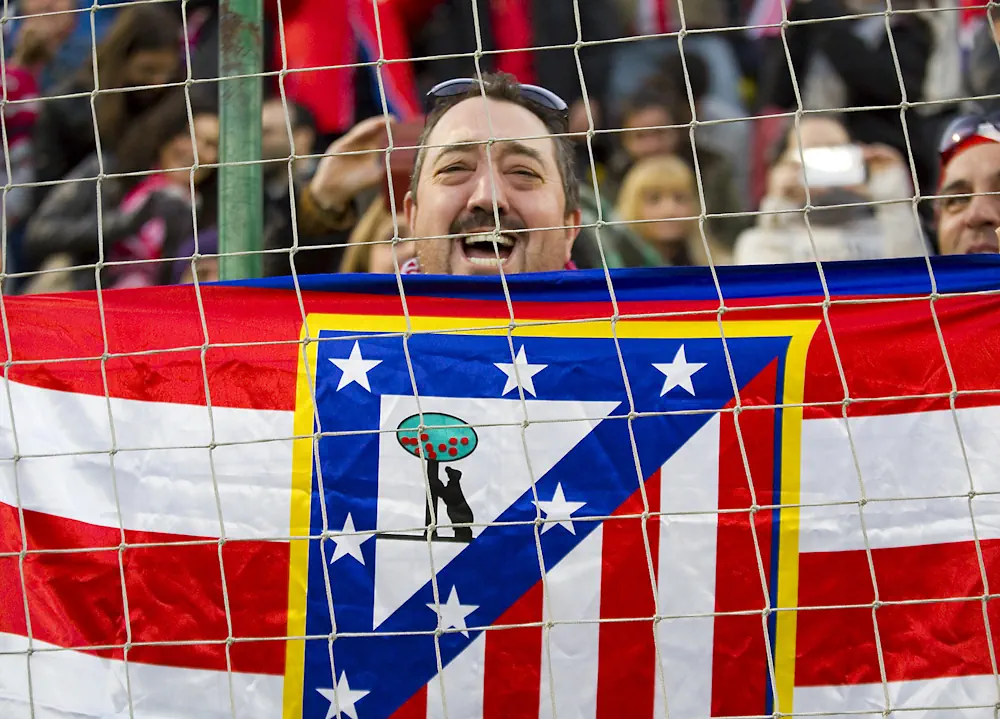
Happy Atlético Madrid fan after they beat Barcelona in Valverde's final match for the club
Valverde's Time Was Out
On 13 January 2020, Ernesto Valverde was terminated by the club, with his final match resulting in a 3-2 loss to Atlético Madrid in the Supercopa de España; he was succeeded by ex-Real Betis manager Quique Setién, with Barcelona concluding the season without silverware after placing five points behind Real Madrid.While not truly blameless, Valverde's time at the Camp Nou was a prime example of papering over the cracks until everything fell apart. The team was still riding on the wave of the previous regime, with the likes of Messi, Ter Stegen, and a couple more players maintaining the standards of quality. However, the problems would continue after Valverde's sacking, which proves the point that he wasn't the sole man responsible.
It was a combination of bad timing and poor decision-making, coupled with a manager, who, to be blunt, also made mistakes along the way.