
The Mythical São Paulo of Tele Santana
We've already reviewed several of the best teams in football history, and today it's the turn of one that not only triumphed but did so by applying what is commonly known in Brazil as Jogo Bonito (Beautiful Game). Few teams in history have achieved such dominance, and even fewer have done so demonstrating such a captivating style and considerable superiority, even against some of the best teams in the world.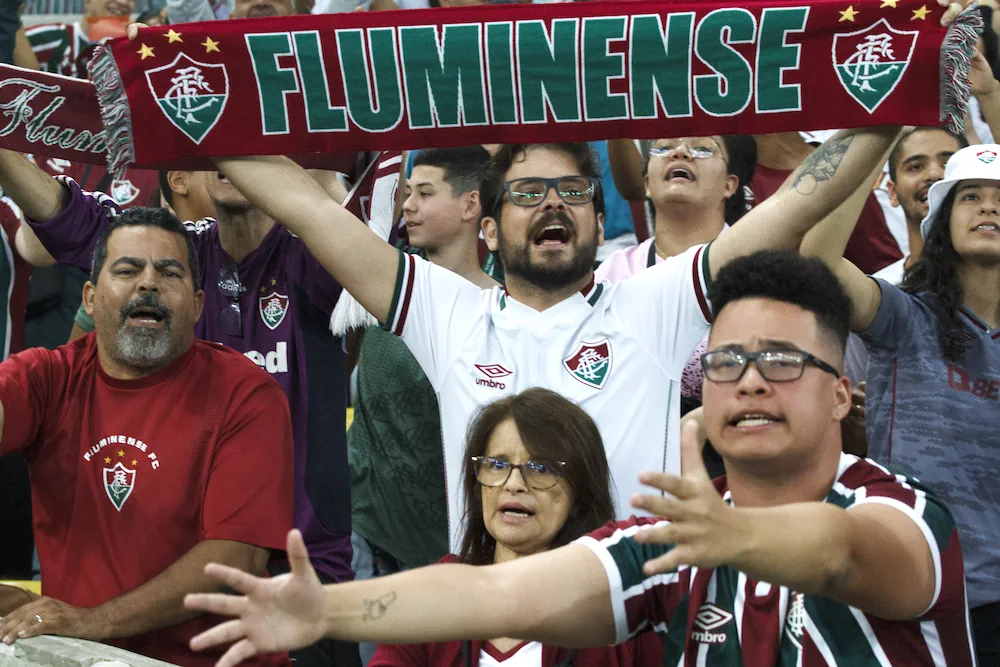
Fluminense supporter during a match - the club where Tele Santana mainly played as a player
From Fluminense Winger to Visionary Coach
Hailing from Itabirito, Minas Gerais, Tele Santana da Silva was a prominent right winger (and occasionally striker) with a prolific goal-scoring record in Brazilian football during the 1950s, specifically with Fluminense, where he won several regional trophies. Despite his outstanding performances for Fluminense, he was never selected for the main Brazilian national team, although he was called up to a reserve squad. His career as a professional footballer ended with a brief stint at Vasco da Gama, although several years later he returned to Fluminense as a youth team coach.In 1969, he became the first-team manager, his first job at the highest level. There, he won a couple of regional titles in a single year, and from there he went to Atlético Mineiro, where he became Brazilian champion in 1971. He spent five years in Belo Horizonte (with a brief spell at São Paulo in between) and from there he moved between a couple of clubs in Brazil until, in 1980, he was called up to the Brazilian national team. He was with the Seleção from 1980 to 1982 and was responsible for that great Brazilian team that left a lasting impression with its attractive and entertaining style of football, featuring players like Junior, Socrates, Zico, and Falcão.
He then went to Saudi Arabia, where he coached Al-Ahli and won three trophies before returning to the Brazilian national team in 1985, but only for a year. After that, he returned to coaching Brazilian clubs, having short stints with Atlético Mineiro, Flamengo, Fluminense, and Palmeiras.
In 1990, after a poor start in the Campeonato Paulista, São Paulo took a chance on Tele Santana. Up to that point, the São Paulo club had been one of the best in its region but not one of the most powerful in the country. However, in the 1980s, which had been its best decade up to that point, São Paulo won the Campeonato Paulista five times and the Brasileirão once. Although São Paulo were already an important club in Brazilian football, the 1980s strengthened their position nationally, with five Campeonato Paulista titles and one Brasileirão.
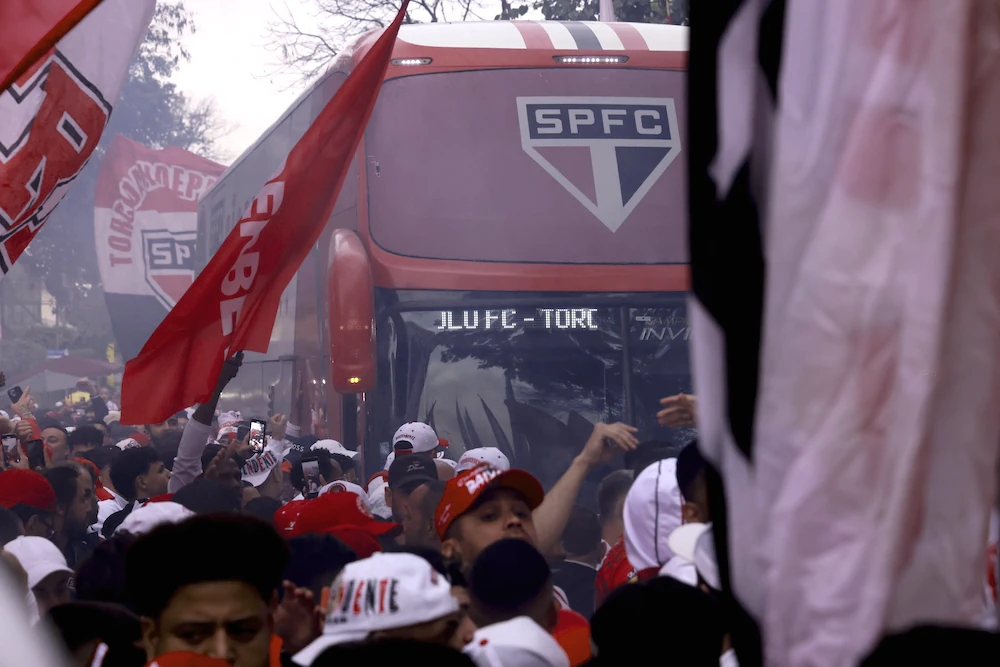
Sao Paulo fans welcoming the player bus before a match
How Tele Santana Transformed São Paulo
Santana took over São Paulo in October 1990, and the team improved quickly, going on to finish as runners-up in the Brasileirão after losing the final to Corinthians. Despite not winning the Brasileirão, a change was already noticeable in the team, which included some players who would become important in the future, such as Raí and the young Cafu, Elivelton, and Ronaldão.In 1991, São Paulo "repatriated" Müller from Torino as their main reinforcement, and despite a somewhat shaky start to the Brasileirão, the team managed to reach a very high level as the season progressed. Most importantly, São Paulo's style of play began to bring the famous Jogo Bonito to the 90s, reviving what Tele Santana himself had done in the early 80s with the Brazilian national team. This style was non-negotiable, and while it could cost São Paulo points, it also became their defining characteristic.
São Paulo's good performance caught the attention of European clubs who, in the summer, decided to look for players like Leonardo (who would later have a career at PSG and Milan), who went to Valencia, Ricardo Rocha who signed for Real Madrid and Bernardo who went to Bayern Munich. Despite that, the team maintained its level and became champion of Brazil, beating Bragantino in the final, who, interestingly, was managed by Carlos Alberto Parreira, who would become world champion with Brazil just a few years later and had been Santana's replacement when he left the Canarinha in 1982.
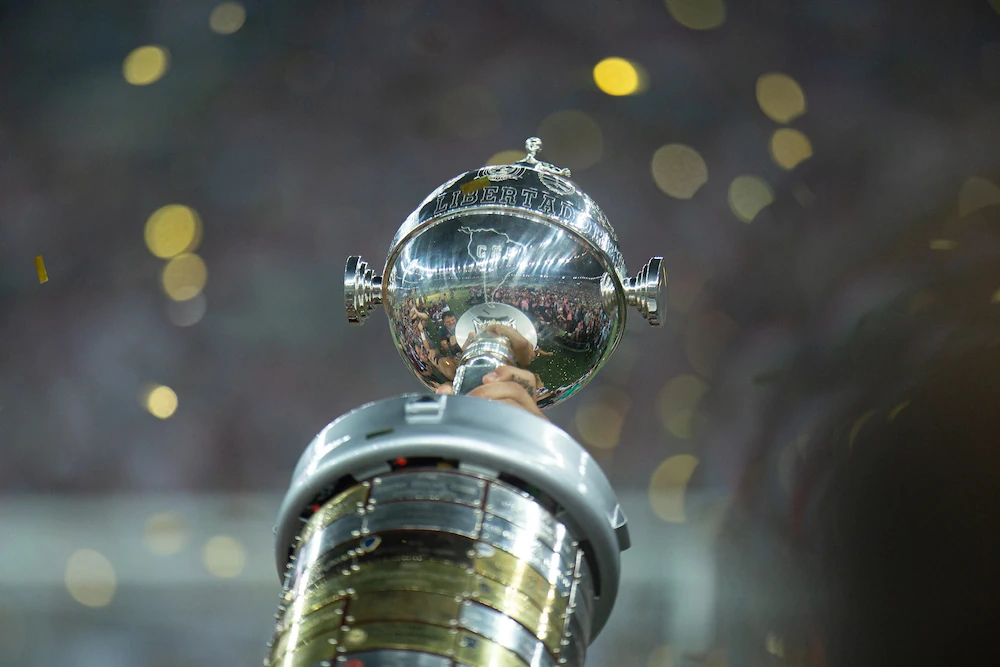
Copa Libertadores trophy
The Road to Copa Libertadores Glory
The 1991 Brasileirão title gave them access to the 1992 Copa Libertadores, where they started in the group stage alongside Criciúma, Bolívar and CD San José. They qualified second and faced Nacional of Uruguay in the round of 16, whom they easily defeated. In the quarterfinals, they faced Criciuma again, whom they also overcame, although not with much ease (2-1 on aggregate). In the semifinals, they beat Barcelona SC of Ecuador 3-2 on aggregate, after having won the first leg 3-0. In the final, they faced Newell's Old Boys, managed by Marcelo Bielsa, who won 1-0 (Berizzo's penalty goal) in the first leg played in Rosario, although the São Paulo team won in Brazil also 1-0 (Raí's penalty goal), taking the final to penalties. There, Tele Santana's team prevailed 3-2.World Champions and an Enduring Legacy
That summer, São Paulo was the hottest team in South America and was invited to participate in several friendly tournaments in Spain. There, they showcased their talent, achieving several surprising results, such as a 4-1 victory over Barcelona, a 2-1 win against Espanyol, and a 4-0 thrashing of Real Madrid. As a result of their Copa Libertadores victory, São Paulo played in the Intercontinental Cup against Barcelona's Dream Team. The Spanish side had been warned about what had happened that summer, but that didn't change the outcome of the match, as São Paulo defeated them again, this time 2-1, with two goals from Raí. After the match, Cruyff said: "If you have to be run over, it's better to be by a Ferrari. São Paulo played like the rightful world champions they are."Tele Santana had already won the São Paulo, Brazilian, South American, and world championships with the club, and in 1993, he "decided" to repeat his international successes, winning the Copa Libertadores again, defeating Universidad Católica of Chile 5-3 on aggregate in the final. This took them back to Tokyo to compete in the Intercontinental Cup, this time against Capello's AC Milan. In the 87th minute, the match was tied at two goals apiece when Müller scored his memorable goal, making São Paulo two-time world champions.
Santana remained at São Paulo until 1996, completing six years with the club. While his last two seasons weren't as successful as his first four, this was partly because the team gradually lost key players each year, leading to the dismantling of that brilliant São Paulo side. Nevertheless, they left behind a legacy few South American teams have achieved, not only for their victories but also for the manner in which they secured them.