
The Bundesliga and the 50+1 Ownership Rule
The Bundesliga's case is quite unusual considering how open most other leagues are to external investment (with a few exceptions). While many leagues have begun to limit or regulate private investment in their clubs after witnessing numerous examples worldwide of investors ruining football clubs, the Bundesliga's model remains almost unique globally because it seeks to protect clubs and fans through the club's decision-making power.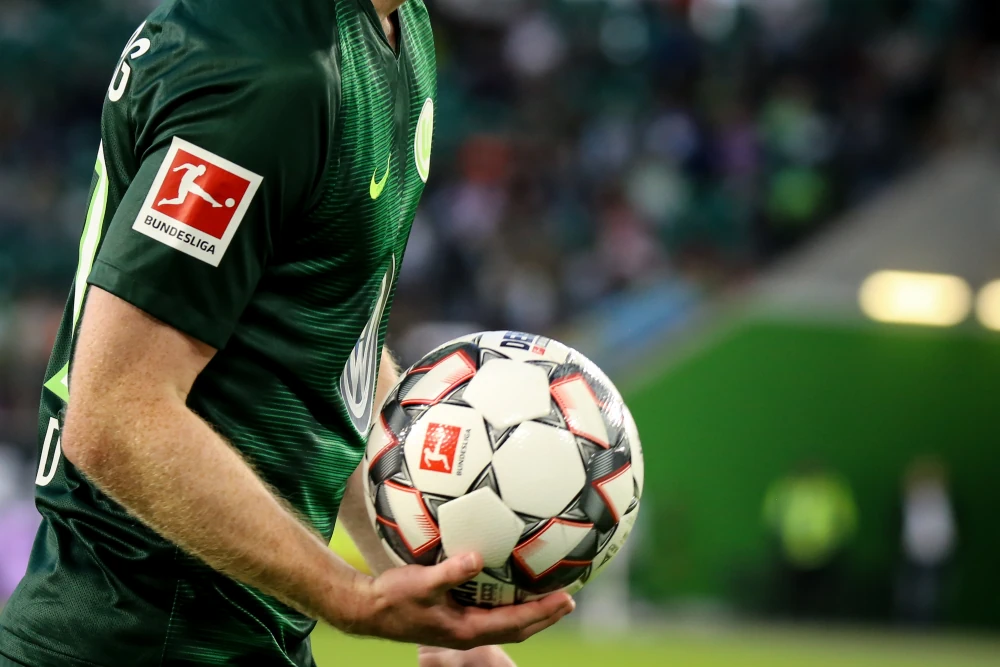
What Is the 50+1 Rule and How Does It Work?
The 50+1 model is a more common way of referring to a clause in the regulations of the Deutsche Fußball Liga (DFL), the German football league, which states that for a club to participate in the Bundesliga (first tier) or the 2. Bundesliga (second tier), the parent club or members' association must retain at least 50% of voting rights plus at least one more share of votes; that is, its members must hold at least that many votes within the ownership structure. Numerically, this means that if, for example, a club has 30 votes for club decisions, at least 16 votes-15 (50%) plus one-must belong to the club's members.The intention of that clause is that despite outside investment, which is both possible and common, the club's members can maintain control of the club's decisions, allowing them to protect the club from outside control and decisions that go against its interests, as has already happened on several occasions worldwide. Among other things, this decision-making power allows, for example, match tickets to remain relatively inexpensive compared to other major European leagues. Bundesliga ticket prices are generally lower than those in several other top European leagues, and fan influence is often cited as one reason for that culture.
This clause was implemented in 1998. Until then, German clubs were non-profit associations owned exclusively by their members, meaning they did not accept external investment. From that year onward, German clubs opened their doors to investors, who could not hold more power than the members. To explain how this model works in practice, we'll use Bayern Munich as an example. The Bavarian club's ownership is split as follows: 75% belong to the members, 8.33% to Adidas, 8.33% to Allianz, and 8.33% to Audi. In this way, even though there are three private investors who have contributed money to the club and have a vote in club decisions, the members still constitute the majority and therefore retain control of Bayern. Borussia Dortmund is an exceptional case within Germany since it has been listed on the stock exchange since 2000, which gives it a somewhat different corporate structure from most German clubs, even though they still stay within the rules.
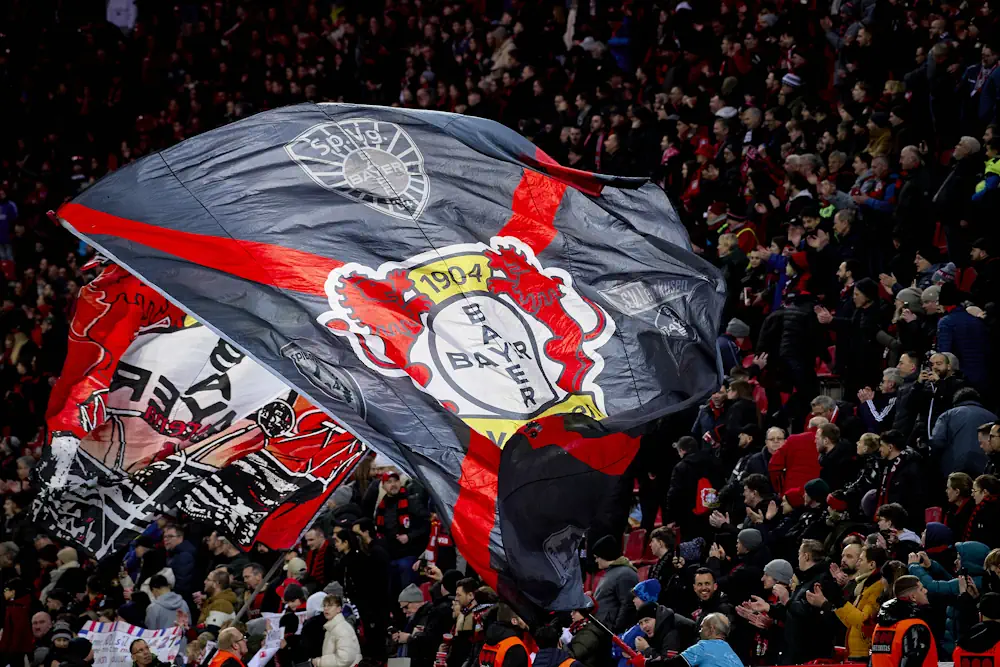
Bayer Leverkusen is one of the clubs exempt from the rule
Exceptions to the Rule
Despite the strictness of the rule, there are limited exceptions for cases in which a company or individual has supported a club continuously and substantially for more than 20 years, and these are the following:Bayer Leverkusen - founded by Bayer
Since the implementation of the 50+1 rule, Bayer Leverkusen received special permission for Bayer to remain the club's owner, as it was the founder. Leverkusen was founded in 1904 by the pharmaceutical company following a proposal from one of its employees, therefore, it more than meets the 20-year exception.Wolfsburg - founded by Volkswagen
Like Leverkusen, Wolfsburg was founded by a company, in this case Volkswagen, originally as a company team in 1945. In fact, the case of Wolfsburg goes even further, as the city itself was created for workers of the automotive company.Hoffenheim - previously an exception
Hoffenheim was previously one of the most unusual cases linked to the 50+1 rule. Dietmar Hopp, co-founder of SAP, began supporting the club financially long before it reached the Bundesliga, with his involvement becoming especially significant from around 2000 onward. At the time, Hoffenheim was playing in the lower tiers of German football, and Hopp's long-term and substantial backing helped drive the club's rapid rise through the league system. Because of that sustained support, Hoffenheim was granted an exception to the 50+1 rule. However, that is no longer the case today. Hopp later returned the majority of voting rights to the club, meaning Hoffenheim now once again falls under the standard 50+1 model rather than operating as an exception.Controversies and Opposition to the Model
The case of RB Leipzig is the example most often cited when discussing non-compliance with the 50+1 rule. The club has had private investment since 2009, thus not meeting the 20-year criterion, yet it is still allowed to participate in the Bundesliga. This is because voting rights within the club are limited to a small group of people considered members, most of whom are linked to Red Bull. Therefore, while they fulfill the clause regarding member voting rights, they do not respect the spirit of the 50+1 rule.The vast majority of German fans support the clause; however, there are voices within the German football community, such as Fernando Carro (CEO of Bayer Leverkusen, ironically) and private investors like Martin Kind (the businessman who tried to acquire a majority stake in Hannover 96). These two are arguing that the 50+1 clause limits the ability of German clubs to be competitive against other leagues, especially the Premier League, both in sporting terms, due to the difficulties in competing in the transfer market and the inability to retain their best players. For the moment, it seems that the DFL will maintain the 50+1 rule, mainly due to the general rejection by the fans who have already protested against the abolition of the clause.