
Portugal's Golden Generation and the Birth of a Footballing Power
The term "golden generation" is usually associated with a group of players who reached a level far above the normal standard of their team. In the case of Portugal, this generation not only brought success to the country but also paved the way for the following decades and helped establish what would become one of the strongest national teams in Europe.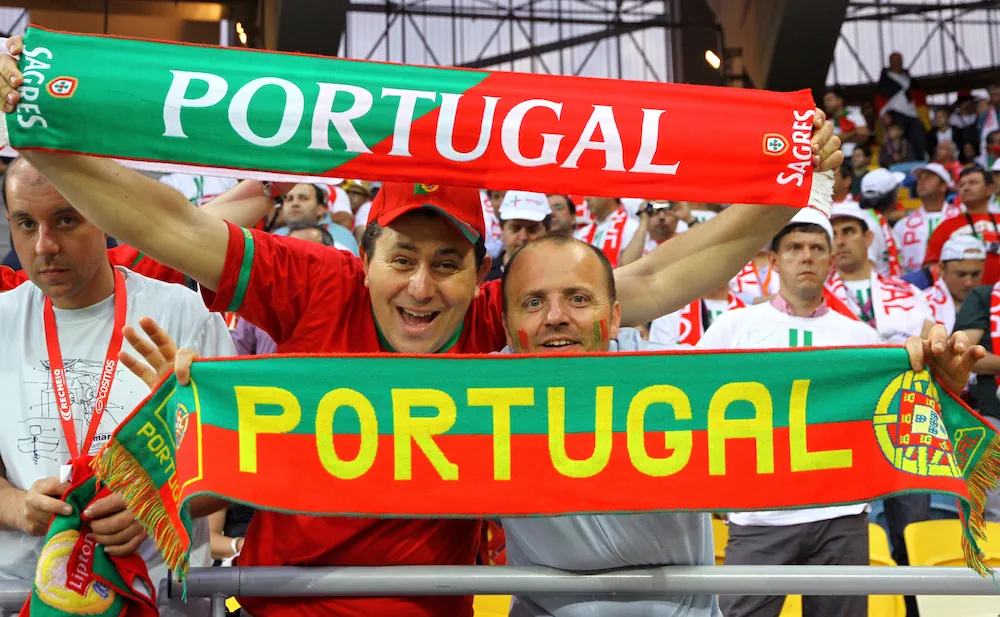
The Beginnings of Portugal's Youth Revolution
Far from being the talent factory it is today, Portugal spent much of the 20th century outside the upper ranks of international football, achieving only occasional success. However, this began to change in the late 1980s. In 1988, Portugal participated in the European Under-16 Championship held in Spain with players like Rui Bento and Jorge Costa. In that tournament, the Portuguese advanced undefeated to the final, where they faced the hosts. After a goalless final, Spain emerged victorious, winning the penalty shootout 4-2.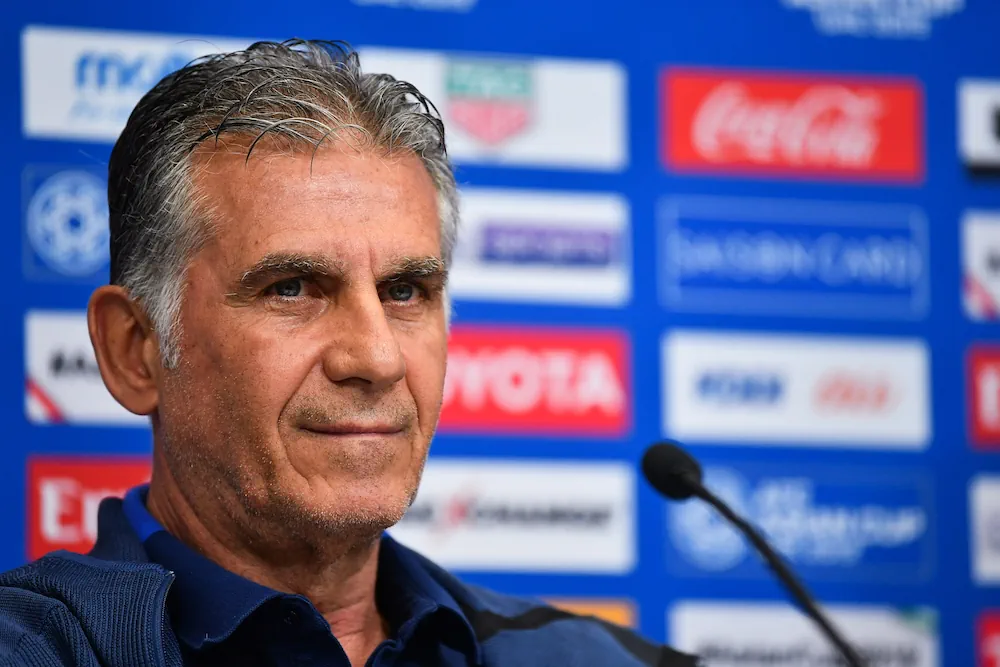
Carlos Queiroz
Carlos Queiroz Takes Charge of Portugal's Youth Development
In the late 1980s, Carlos Queiroz, a young coach whose previous experience included working as an assistant at Estoril, was appointed to oversee Portugal's youth development programme and coach its youth national teams. Queiroz's first official tournament in his new role was the 1989 FIFA World Youth Championship in Saudi Arabia. Portugal fielded several players who would later stand out at senior level, such as Fernando Couto, who would play for Porto, Barcelona and Lazio; João Pinto, who would represent Benfica and Sporting CP; and Paulo Sousa, who would become a European champion with both Juventus and Borussia Dortmund.Portugal Become Youth World Champions in 1989
Portugal finished first in Group A, ahead of the hosts, Czechoslovakia, and Nigeria, which led to them being paired with Colombia, whose squad included Óscar Córdoba and Jorge Bermúdez. Portugal defeated the South Americans 1-0 thanks to a goal from Jorge Couto. In the semi-finals, they also beat Brazil 1-0, a team that included names like Sonny Anderson (who would later play for Barcelona and Lyon), Leonardo (who played for AC Milan and PSG), and Roberto de Assis (Ronaldinho's brother).In the final, Portugal faced Nigeria, whom they had already beaten 1-0 in the group stage. They defeated them again, this time 2-0, to become youth world champions for the first time in what proved to be a turning point in the history of Portuguese football. Later that same year, Portugal also competed in the European Under-16 Championship and once again reached the final, winning all their matches, including the semi-final against Spain. In the final, they thrashed East Germany 4-1. That team also featured a skilful young winger named Luís Figo, who scored in the final and would later, as most football fans knows, become one of the greatest players in Portuguese football history.
Further Success at Under-16 Level
That year, in June, Portugal also competed in the 1989 FIFA U-16 World Championship, maintaining the same core group that had already participated in the European tournament. Portugal qualified as group winners after defeating Colombia and drawing with Saudi Arabia and Guinea. They beat Argentina 2-1 in the quarter-finals but were defeated 1-0 by hosts Scotland in the semi-finals. In the end they finished third after beating Bahrain 3-0 in the third-place match.A Second Consecutive World Title
A year later, with Portugal now established as an emerging force in youth football, they finished fourth at the European Under-16 Championship in East Germany. In 1991, they competed in the FIFA World Youth Championship, which they hosted. The tournament featured several players who would later enjoy distinguished careers, including Roberto Carlos, Mauricio Pochettino, Giovane Élber and Andy Cole. Portugal dominated the group stage, not only advancing as group winners but also winning all their matches without conceding a goal against Argentina, South Korea and the Republic of Ireland.Their quarter-final opponents were Mexico, whom they defeated 2-1 after extra time to secure a place in the semi-finals. In the semi-finals, Rui Costa scored the only goal as Portugal defeated Australia 1-0 and secured their spot in the final. The final was played against Brazil at the Estádio da Luz in front of approximately 127,000 spectators, a record attendance for a FIFA U-20 World Cup match. The match was remarkably close and remained goalless after extra time. Portugal won the resulting penalty shootout 4-2 to claim their second consecutive title in the tournament. In 1992, they also won the prestigious Toulon Tournament, winning all their matches and conceding only two goals.
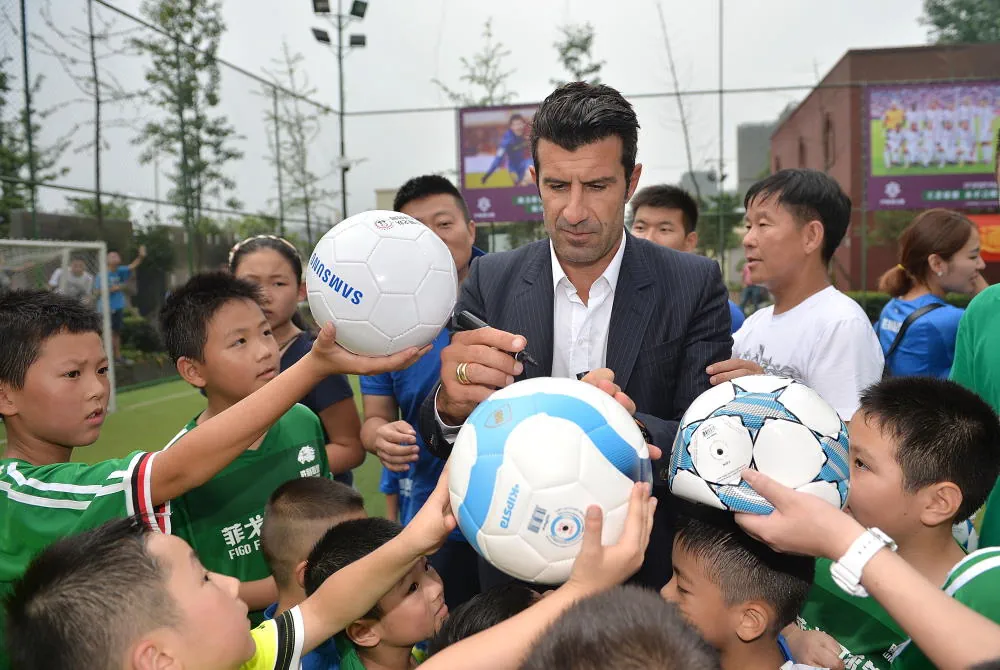
Luís Figo
The Lasting Legacy of Portugal's Golden Generation
That Golden Generation included several players who became central to Portugal's development as an international footballing force. They were not only responsible for the youth successes that marked a turning point for Portuguese football, but also raised the standards of the senior national team, culminating in Portugal's runner-up finish at UEFA Euro 2004. Their achievements helped create the expectations and footballing culture that preceded Portugal's triumph at Euro 2016. Some of the players that were part of that Golden Generation were:Abel Xavier: The defender was involved in Portugal's successful youth programme during the late 1980s and went on to play for several prominent European clubs, including Everton, Liverpool, PSV Eindhoven and Roma.
Jorge Costa: A Porto legend who spent more than a decade at the club, winning the UEFA Champions League, the UEFA Cup and the Intercontinental Cup, as well as numerous domestic trophies.
Luís Figo: Little introduction is needed for Figo, a Ballon d'Or winner who collected numerous trophies during a distinguished career with clubs including Barcelona, Real Madrid and Inter. His controversial transfer from Barcelona to Real Madrid remains one of the most famous moves in football history.
Rui Costa: An elegant playmaker who spent 12 years in Italy with Fiorentina and AC Milan and made 94 appearances for Portugal's senior national team.