
Mbappé Made History as the 2026 World Cup Golden Boot Winner
The 2026 FIFA World Cup is now over, and we saw Spain win the second World Cup title in their history after defeating Argentina in the final. The score was still 0-0 after normal time, but Spain finally found a way through Argentina in the second half of extra time when Ferran Torres settled the match with a precise strike into the roof of the net after Nico Williams had headed the ball down to him.Although the margin of victory was narrow, there is no doubt that Spain are thoroughly deserving champions. Spain impressed throughout the tournament, particularly defensively, which the team also demonstrated in the final. In fact, Argentina had not managed a single attempt on goal before Spain's opening goal in the 106th minute. Argentina tried to intimidate their opponents with dirty play, with Enzo Fernández among those involved as he was sent off following a horrific tackle on Pau Cubarsí in second-half stoppage time, but the Spaniards kept their composure and deservedly won. Huge congratulations to Spain!
©
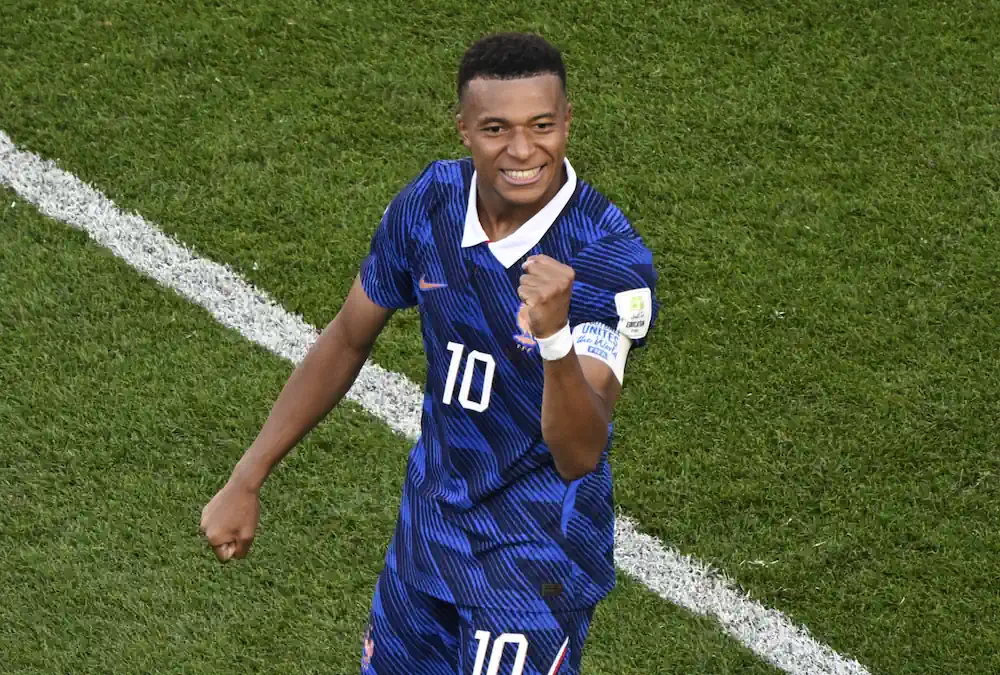
Kylian Mbappé Won the Golden Boot With 10 Goals
A total of 308 goals were scored across all 104 matches at this World Cup, giving an average of 2.96 goals per game. The player who scored the most goals, and not entirely unexpectedly, was France's Kylian Mbappé with a total of ten. This means that Mbappé has become the first player in World Cup history to finish as top scorer at two consecutive tournaments, and to top it all off, he is now also the player with the most World Cup goals of all time, with 22. We should also remember that he is only 27 years old and has at least one more World Cup in him, probably two and perhaps even three.After the semi-finals, however, it was Lionel Messi who was in the driving seat in the race to become top scorer. Both Messi and Mbappé had eight goals, but Messi had registered one more assist, which would have been decisive in his favour. Mbappé, however, still had a third-place play-off to play, and such matches are often high-scoring, while Messi faced a final against an extremely strong Spanish defence, so it was no surprise that Mbappé eventually moved ahead of Messi.
Sure enough, the third-place play-off between France and England also turned into a goal-filled affair, and at one point it was almost bordering on a football parody. England claimed the bronze medal by winning the match 6-4. England led 4-0 at half-time, and although France had also created a couple of good chances, the French were, in all honesty, absolutely dreadful. They came roaring back to life after the break, however, and Mbappé led the way with two goals as France went from 0-4 down to 3-4 in 19 minutes. At that point, it felt as though France would keep pushing and perhaps even win the match, and it also seemed as though Mbappé had another couple of goals in him.
But instead of a hat-trick from Mbappé, it was England's Bukayo Saka who completed one when he converted a penalty to make it 5-3 in the 87th minute. Saka had also scored two of England's goals in the first half.
Mbappé therefore finished on "only" ten goals at this World Cup, which proved enough to win the Golden Boot as Messi failed to score against Spain in the final. In fact, he did not have a single proper effort on goal in what was probably his final World Cup match.
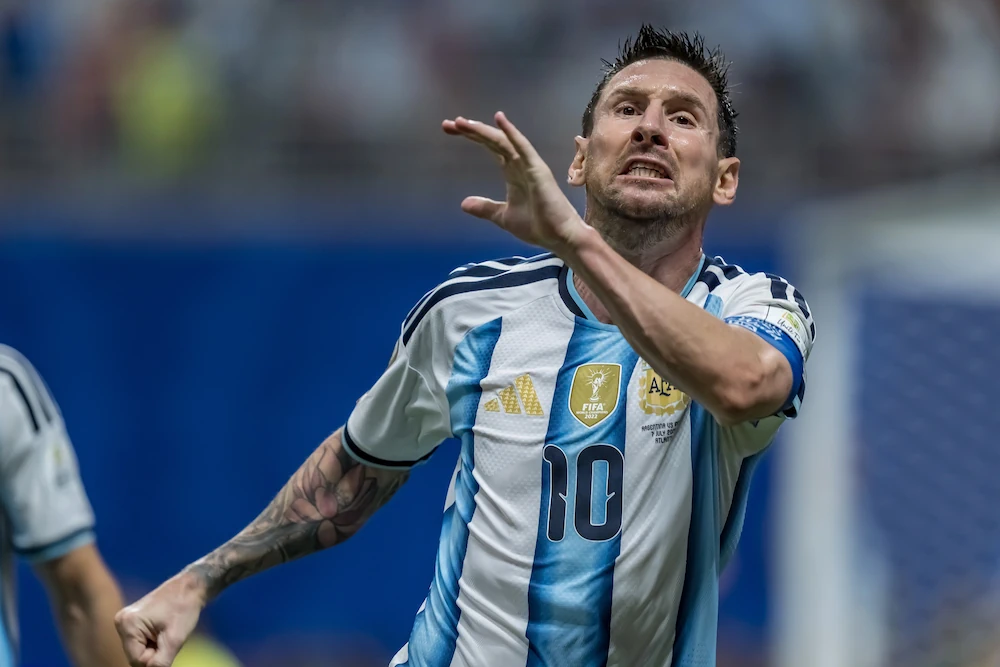
Lionel Messi finished second in the Golden Boot standings
The Rest of the Leading World Cup Goalscorers
Lionel Messi finished second in the Golden Boot standings with eight goals, but it would not have been unlikely for Harry Kane or Jude Bellingham to catch him given the number of goals scored in the third-place play-off.Both Kane and Bellingham had scored six goals before the bronze-medal match, but because England rotated their starting line-up, both began on the bench, which naturally made it difficult for them to score. Kane remained on the bench throughout the match, while Bellingham came on in the 78th minute and repaid the faith shown in him by decisively settling the contest with his goal to make it 6-4 in the eighth minute of stoppage time.
One goal was not enough for Bellingham to catch Messi, however, so he had to settle for a share of third place alongside Erling Haaland, who also scored seven goals in the tournament.
Ousmane Dembélé scored France's goal to make it 4-5 in the third-place play-off and therefore moved up to six goals overall, meaning that Dembélé and Kane shared fifth place.
In seventh place with five goals was Spain's Mikel Oyarzabal, followed by Senegal's Ismaïla Sarr, Mexico's Julián Quiñones and Brazil's Vinícius Júnior with four goals each.
©
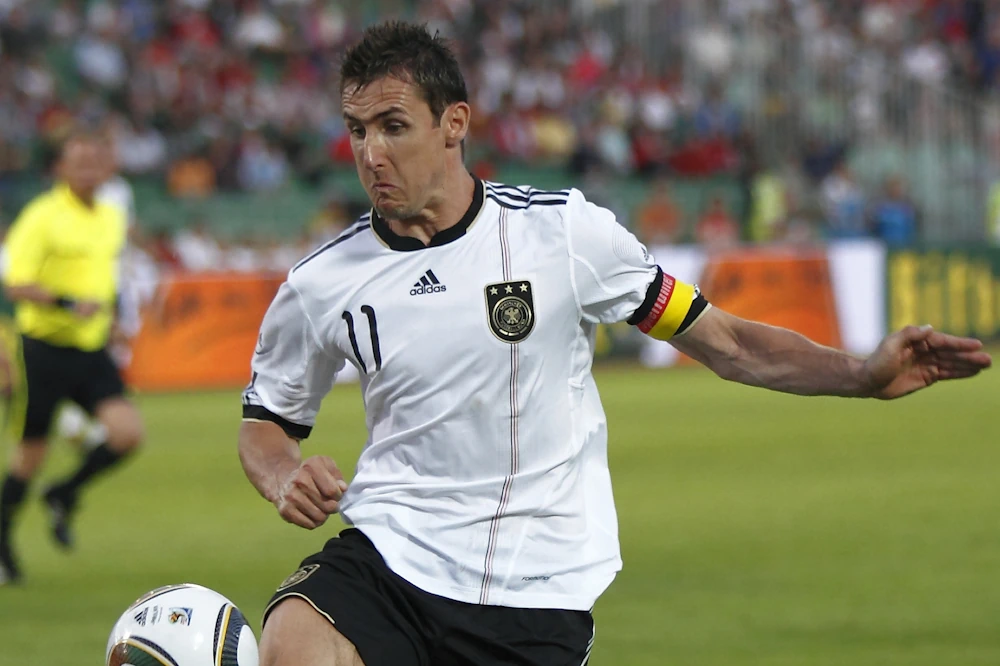
Former record holder Miroslav Klose has been knocked off the top spot
The All-Time Leading World Cup Goalscorers After the 2026 World Cup
Before this World Cup, Germany's Miroslav Klose led the all-time scoring chart with 16 goals across the four World Cup tournaments in which he appeared. With both Messi and Mbappé close behind him, it was expected that at least one of them, and probably both, would move past Klose, and that is exactly what happened.Messi had scored one more goal than Mbappé before the World Cup began, and he also made a flying start with a hat-trick in Argentina's opening match against Algeria. He therefore remained at the top of the all-time World Cup scoring chart all the way through to the third-place play-off and the final, but as already mentioned, Mbappé overtook him in the bronze-medal match.
Given that Mbappé will most likely have more World Cups to play in the future, while Messi has probably played his last, we are likely to see the Frenchman remain at the top for many years to come. He may even build such a substantial lead that the record becomes virtually impossible for future football stars to break.
These are the ten leading goalscorers in World Cup history following the 2026 tournament. It is also worth noting that Harry Kane and Cristiano Ronaldo both climbed the list during this competition.
| 1. | Kylian Mbappé, France | 22 goals |
| 2. | Lionel Messi, Argentina | 21 goals |
| 3. | Miroslav Klose, Germany | 16 goals |
| 4. | Ronaldo, Brazil | 15 goals |
| 5. | Gerd Müller, West Germany Harry Kane, England | 14 goals |
| 7. | Just Fontaine, France | 13 goals |
| 8. | Pelé, Brazil | 12 goals |
| 9. | Cristiano Ronaldo, Portugal Jürgen Klinsmann, Germany Sándor Kocsis, Hungary | 11 goals |