
The Biggest Transfer Disappointments In AC Milan'S Recent History
We have looked at several big clubs' worst signings over the years, and today we will take a closer look at AC Milan. The Italian giants boast one of the most impressive track records in the world and a long history that includes some truly iconic names in football history, such as Marco van Basten, Ronaldinho, and Kaká, to name just a few. But Milan have also made signings that left a very different impression from those legendary names. These are the players we will take a closer look at here.It's important to note that the Rossoneri don't usually make signings as expensive as some other clubs. Depending on how the total cost is calculated, Rafael Leão is often cited as one of Milan's most expensive signings, with Milan's total cost eventually reported at around 49.5 million in total when he arrived at the club from Lille. That is nowhere near the figures involved in the biggest signings made by clubs like for example Real Madrid, Barcelona, Chelsea, Manchester City or PSG.
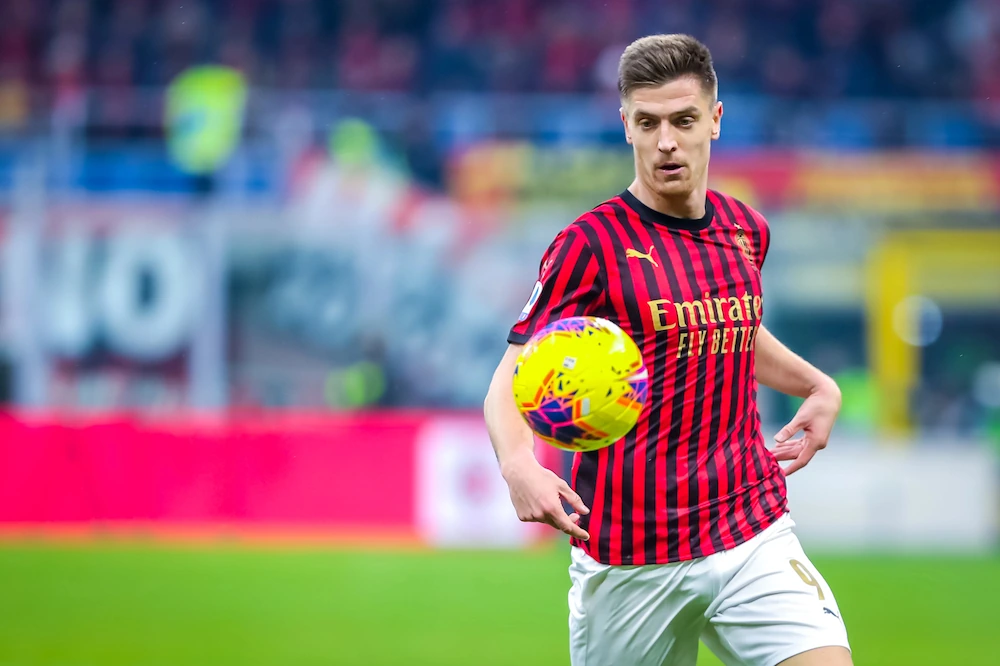
Krzysztof Piatek (2019)
The Polish striker arrived at Genoa in the summer of 2018 as just another signing, coming from Cracovia. Surprisingly, Piatek settled in immediately in Italy, and he performed at a very high level in his first six months, scoring 19 goals in 21 matches across all competitions. This led Milan to pay 35 million euro for him in January 2019, hoping he would become their new prolific goalscorer, a role they had been trying to fill for some time.The Pole scored six goals in his first seven matches and seemed to be living up to expectations; however, his form gradually declined, and Milan decided to sell him just a year later to avoid further devaluation, as his performances gave the club little reason to believe his value would recover.
Fernando Redondo (2000)
In Piatek's case, his performance wasn't affected by a lack of playing time or injuries, unlike what happened to Fernando Redondo. The Argentine was one of the best in his position in 2000, having just won the European Cup with Real Madrid and being adored by Real Madrid supporters. However, after Florentino Pérez won the presidential elections at the Madrid club, he decided to sell the Argentine against the player's wishes. Milan then came in to sign Redondo, but just a few days after starting training at Milanello, he suffered a very serious knee injury that kept him off the pitch for two and a half seasons.In his four years at the Italian club, he only played 33 matches, mostly in a secondary role in a Milan side that boasted a midfield featuring Pirlo, Ambrosini, Gattuso, Seedorf, and others. The situation was so critical for the Argentine that he reportedly refused to accept his salary while injured and even offered to return benefits provided by the club.
©
Alessandro Matri (2013)
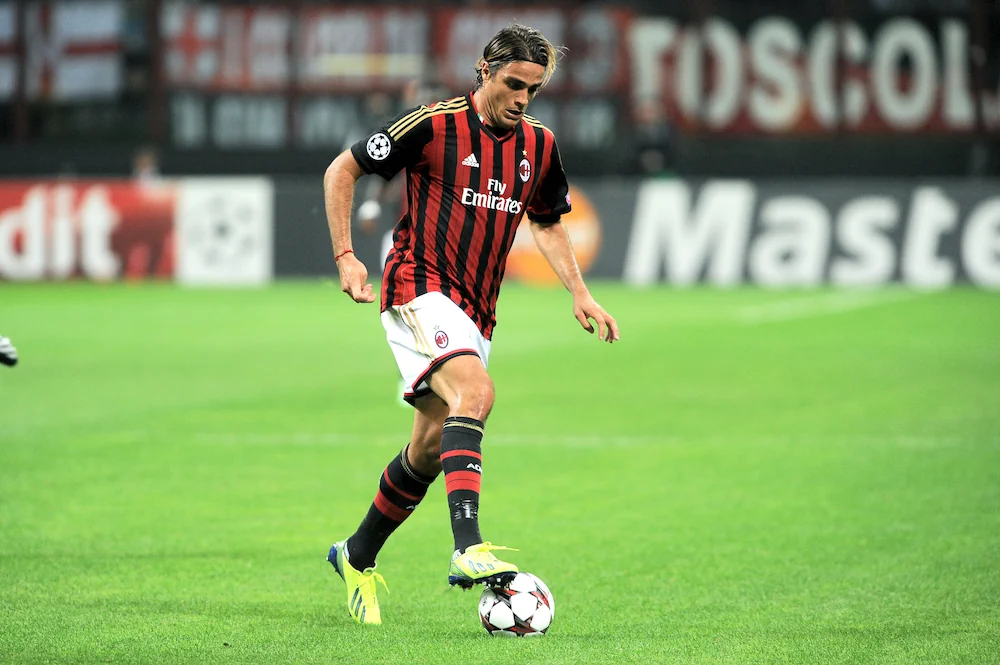
Alessandro Matri returned to AC Milan in 2013 (he had played for the club's youth teams) after the Rossoneri paid Juventus 11 million euro for him, following successful seasons in Serie A with both the Turin side and Cagliari, the club from which he joined Juve. Milan had high expectations for Matri, even though he had never been a truly prolific striker at the highest level.His time at Milanello lasted only six months, as he began a series of loan spells and never played for the club again. In that half-season, he only scored one goal. However, one of the reasons he is considered by many Milan fans to be one of the worst signings ever, is that the money paid for Matri was used by Juve to sign Carlos Tevez, who had a great spell with the Bianconeri.
Ricardo Oliveira (2006)
As this list shows, Milan have had several costly disappointments up front. This was to be resolved by signing Ricardo Oliveira, as the Brazilian striker had been a promising young player at Santos who blossomed at Real Betis, becoming one of the best strikers in the Spanish league. In the summer of 2006, Milan saw Shevchenko, one of the best players in the club's history, leave for Chelsea, leaving a huge void in the Rossoneri attack that Milan wanted to fill with Oliveira.But the Brazilian never reached the level required by the European giant and never really established himself as an undisputed starter, a situation that was further complicated when Milan signed Ronaldo in the January 2007 transfer window. As part of the Ronaldo deal, Oliveira moved in the opposite direction, joining Real Madrid on loan, so that would be Oliveira's only season in Italy before returning to Spain.
©
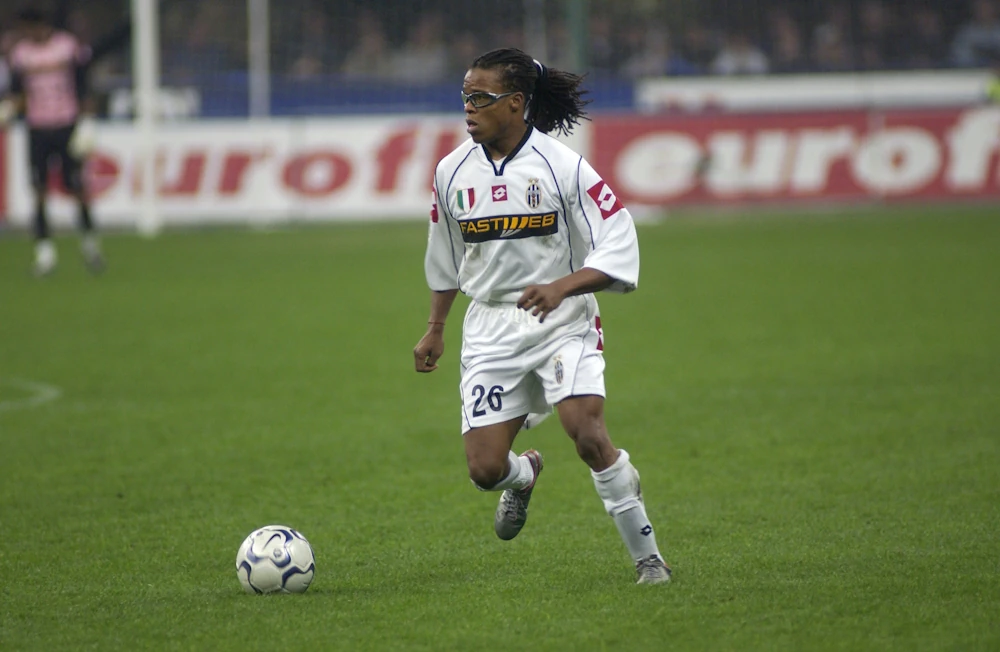
Edgar Davids - here when playing for Juventus
Edgar Davids (1996)
One of the first beneficiaries of the Bosman ruling was Edgar Davids, who took advantage of this new legal framework to leave Ajax for AC Milan as a free agent. At the Dutch club, he won plenty of titles, including the UEFA Champions League, and had established himself as a promising midfielder.However, things didn't go as planned at Milan, mainly due to an injury that caused him to miss several matches. This led the Rossoneri to decide to let him go in December 1997 to Juventus, where he would solidify his status as one of the best midfielders of his generation. So Milan allowed him to join a direct rival, where the Dutchman performed at a very high level, something that pretty quickly made the Rossoneri question their decision.
Mattia Caldara (2018)
Caldara's case is unique, as his signing with Juventus was announced in the 2017 winter transfer window, although he remained on loan at Atalanta, his former club, for a year and a half, having only participated in one preseason with Juventus. In the summer of 2018, AC Milan signed him for 38 million euro, and he swapped the black and white shirt (technically speaking at least) for the red and black. The deal included Leonardo Bonucci's return to Juventus.His time with the Rossoneri was plagued by injuries, limiting him to just three appearances in all competitions for Milan. After further spells in Serie A and Serie B, he retired at the age of 31, following years of injury problems.
Deals like these last two between Juventus and Milan partly explain how the Turin club were able to dominate Italy for a decade, while Milan slipped down the European hierarchy.