
Football's Sponsorship Market Enters a New Era
The global commercial marriage between football and iGaming is changing fast. The year 2026 marks an inflection point. The era of the front-of-shirt gambling billboard is dying. Regulatory pressure is tightening. Technology is filling the gap. Football clubs must adapt or lose their biggest revenue stream.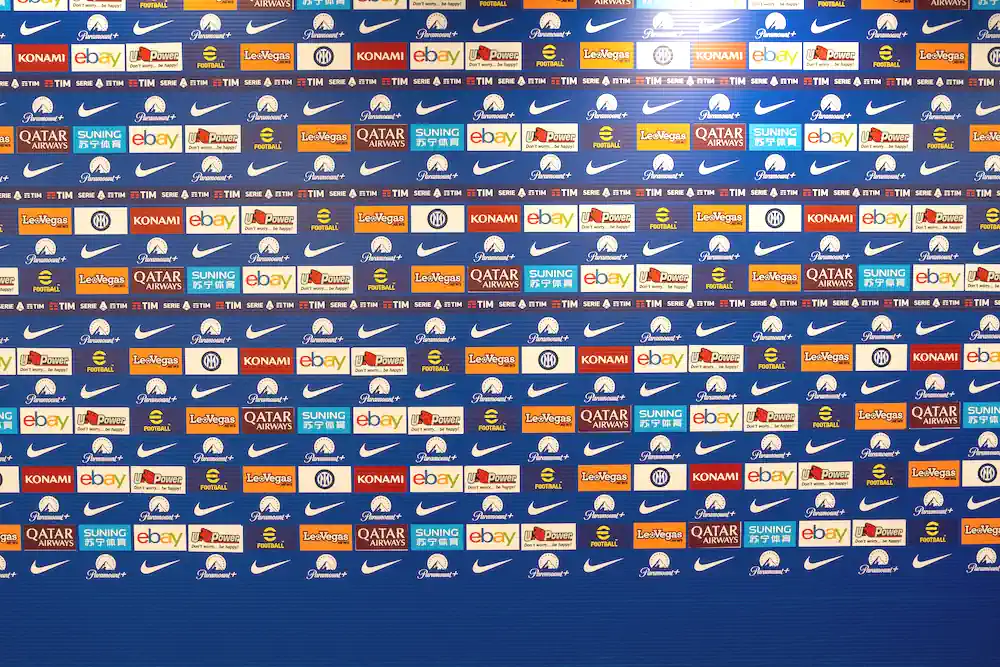
©
The Jersey Vacuum
The English Premier League became the most prominent major league to phase out front-of-shirt gambling sponsors. Clubs agreed to a voluntary ban on front-of-shirt gambling sponsors. The rule takes full effect for the 2026/27 season. This move pre-empted harsher government laws. It also created a massive financial headache.Clubs scrambled for cash before the deadline. Teams like West Ham and Nottingham Forest signed high-value, one-year deals to squeeze the last profit from the sector. Eleven clubs still carried gambling sponsors on their chests at the start of the final permissible season, the same number as the year before. The math is simple. These clubs need the money.
The total loss is estimated at £80 million annually. Mid-tier clubs feel the pain most. They lack the global pull of the "Big Six." They relied on betting money for transfers and stadium updates. Now they have to replace it.
The ban is specific. It only applies to the front of matchday shirts. Sleeves and training kits are still open. Stadium LED boards are still fair game. Brands like Stake are shifting their focus to these spots. The money is not leaving football. It is just finding new real estate.
The Rise of the Crypto Replacements
A new wave of sponsors is filling the vacuum. Cryptocurrency exchanges and trading platforms are the new kings of the kit. They see an audience that likes risk. These firms are aggressive. They want brand recognition in a market that lacks regulation.More than half of Premier League clubs now have a crypto or trading partner. Brands like Kraken and Gate.io are everywhere. Manchester City generated 408 million in commercial revenue last year. Clubs are chasing this kind of scale.
The Financial Conduct Authority in the UK is watching. They sent warnings to clubs. Partnering with unvetted crypto firms carries legal risks. The regulator is clear. They will punish clubs that help these firms exploit fan loyalty. The spotlight has simply moved from sportsbooks to digital finance.
The Black Market Problem
Restrictive laws have a side effect. They drive fans to the unlicensed market. Some experts estimate the black market share of the UK sector has surged to 9%. Four years ago, it was 2%.Higher taxes may add to the pressure, but enforcement gaps, illegal streaming and offshore affiliate networks are also major drivers. The UK increased Remote Gaming Duty from 21% to 40% from 1 April 2026, increasing pressure on licensed online casino operators. This punishes the legal operators. It makes unlicensed sites look better to the consumer. These offshore operators offer higher margins. They pay no tax. They follow no rules.
Illegal streams are the biggest sales funnel for these black-market sites. Research shows 89% of illegal football streams feature ads for unlicensed bookies. The numbers are staggering. 3.6 billion illegal streams occurred in the last three years. The value of the Premier League's £12 billion broadcast rights is under threat.
These sites target the most vulnerable. Some estimates suggest as many as 420,000 British schoolchildren are gambling with offshore sites. These operators ignore age-gating. They ignore KYC protocols. It is a massive failure of the current protection system.
Tech as the New Border Guard
Operators are investing in better tech. They cannot rely on mass-market TV ads anymore. They need precision. They need compliance. Consumers want security. They look for established, trusted platforms. A name like Golden Nugget Casino represents this shift. It offers a secure experience that modern players demand. This is the new baseline. Brands must provide safety to earn trust.Clubs and operators are using Virtual Replacement Technology to solve the regulatory maze. This system changes what fans see on perimeter LED boards based on their location. A club can show a charity logo in the UK. A viewer in Asia sees a gambling brand on the same LED board at the same time.
The tech is fast. It uses surface recognition and AI. Broadcasters switch the feeds in real-time. This saves the revenue model. Clubs sell the same space to different partners in different regions. It turns a static stadium board into a global media asset.
The European Patchwork
Italy is the warning sign for the rest of the world. Their "Dignity Decree" banned all gambling ads. The impact on football revenues was severe. Serie A clubs lost up to 150 million every year. Debt is piling up. The Italian Football Federation is now begging for a review. They want a betting tax instead of a ban.Spain took a different route. They banned ads in 2020. The Supreme Court later struck down parts of that ban. The government is now writing new, tougher laws. They want to control the B2B tech suppliers. New proposals have focused on restoring parts of the advertising framework and strengthening consumer-protection controls.
Hungary is going the other way. A new government is opening the market. They want to align with EU standards. They are breaking up state-run monopolies. They want the tax revenue.
Brazil is the biggest growth story. With the 2026 World Cup approaching, Brazil is one of the most important growth markets for regulated betting. Millions of Brazilians are registering on betting sites. The government is formalizing the market. They are fighting the illegal operators with strict tax rules. They see betting as a way to grow the economy.
Compliance is Everything
The modern betting firm is a tech company first. They need a single platform for everything. They need to verify IDs. They need to block fraud. They need to track locations.The gold standard is a unified platform. Companies use tools like GeoComply to stop VPN usage. They track users within five meters. This is required for the Federal Wire Act in the US. It is becoming the standard globally.
Fraud is a constant battle. Operators fight coordinated bonus rings. They fight account takeovers. They use AI to detect patterns. They catch these threats before the bet is placed. This tech saves them millions. It makes the platform safer for the real player.
A New Game
The era of easy money is over. Sponsorships are no longer just about a logo on a shirt. They are about data. They are about engagement.Clubs must be smarter. They must use targeted digital campaigns. They must work with local influencers. They must offer real value to fans. A partnership today requires interactive games and rewards.
This is not a decline. It is an evolution. The market is becoming more professional. The players are more tech-savvy. The regulatory net is tighter. Only the operators with the best tech will survive. The winners will be those who balance commercial growth with genuine consumer protection. The game is changing. Everyone must play by the new rules.