
Clubs That Dominated Their League for a Decade - and What Ended Their Run
Winning a league title once is hard. Winning it ten times in a row is something else entirely - the kind of achievement that makes rivals quietly reconsider their life choices. A handful of clubs have managed it, and what finished their runs says as much about football as the dominance itself.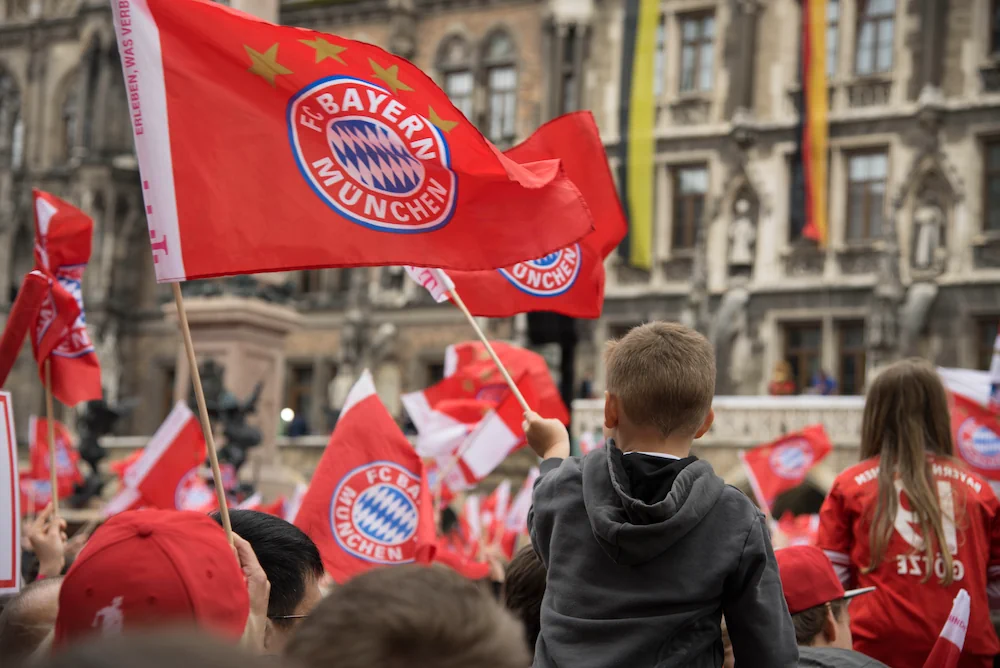
©
When One Club Becomes the Whole Story
Ask a Bundesliga fan what the league looked like between 2013 and 2023, and the answer is basically: Bayern Munich. The Bavarians won eleven consecutive German titles during that stretch - a record that no club in any of Europe's top five leagues had ever matched. They won 82.4% of all available domestic points across that run. That number should be illegal. For comparison, winning two-thirds of your games is considered a strong season; Bayern averaged something closer to a guarantee.Fans who enjoy tracking those kinds of remarkable runs often turn to Harakabet app to follow stats on dominant clubs across global competitions. The numbers during Bayern's decade were genuinely hard to make sense of - finishing the 2012/13 season 25 points clear of second-placed Dortmund, or clinching the 2013/14 title after just 27 games, the fastest in Bundesliga history at the time.
What ended it? Bayer Leverkusen in 2023/24, who became the first team in the club's history to win the title - and did so without losing a single league game. That's a dynasty broken by something even stranger.
The factors that kept Bayern's run alive:
- A transfer structure that could absorb the departure of generational players (Robben, Ribéry, Lewandowski) and rebuild around new ones
- Managerial changes that brought fresh tactical energy without losing identity - Heynckes, Guardiola, Ancelotti, Flick, Nagelsmann across eleven years
- A club model that has generated profit for 27 consecutive years, almost unheard of in elite football
Italy's Nine-Year Lockdown
Juventus pulled off something almost as absurd in Serie A. Nine consecutive Scudetti from 2011/12 through 2019/20 - a record in Italian football history. During the Juventus era, winning margins of 15 to 20 points were routine. The league felt less like a competition and more like an annual formality.Three different managers - Antonio Conte, Massimiliano Allegri, and Maurizio Sarri - each picked up the baton without dropping it. That continuity across coaching changes is genuinely rare. Most dynasties fall apart the moment the manager who built them walks out the door.
The collapse, when it came, arrived fast. Allegri left after the ninth title. Sarri was sacked the day after a Champions League exit to Lyon. His replacement, Andrea Pirlo, was a brilliant midfielder with almost no managerial experience. Juventus finished fourth. Inter Milan, under Antonio Conte - the man who had started the Juventus streak in 2012 - ended it in 2020/21 with a 13-point cushion.
The irony of Conte dismantling exactly what Conte had built is the kind of detail football writes for itself.
What made the streak possible:
- Consistent investment in established stars (Pirlo, Pogba, Higuaín, Ronaldo) rather than development-phase rebuilds
- A new stadium opened in 2011 that increased revenue independence just as the winning run began
- Rivals - Inter, Milan, Roma - spending years in structural chaos, managerial cycling, or financial trouble
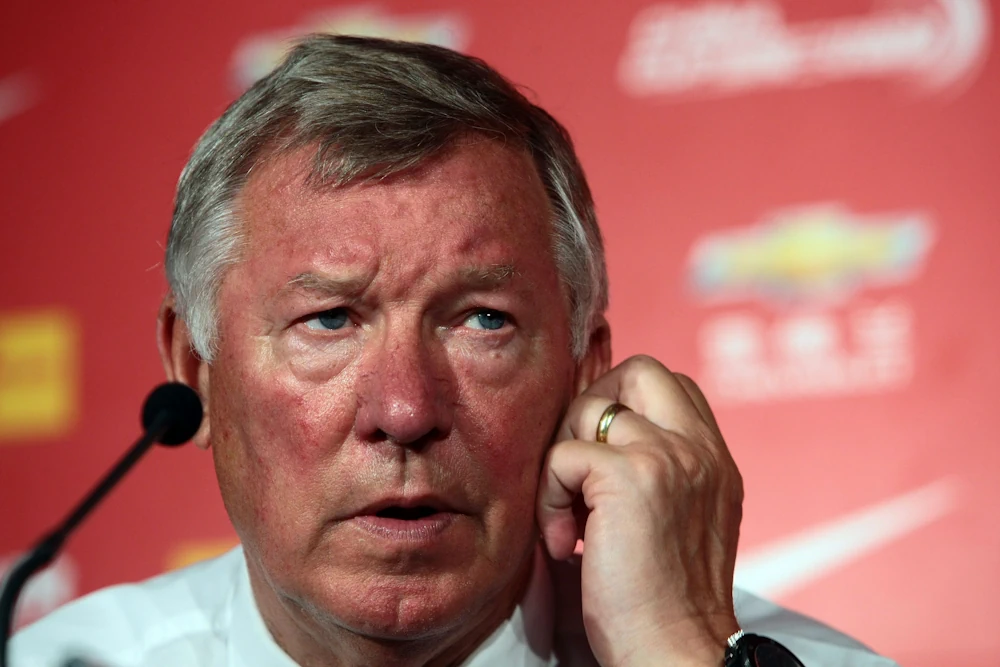
Sir Alex Ferguson back in the days
Sir Alex Ferguson and the End of Everything
Manchester United's dominance under Sir Alex Ferguson spanned two full decades, but the clearest ten-year window - from 2002/03 to 2012/13 - produced six Premier League titles, two Champions Leagues, and a culture of winning so embedded that it took the entire English football system years to realise it was over. Ferguson retired in May 2013. United have not won the league since.The Premier League has seen six different champions in the period from 2001 to 2025. That variety actually tells a story: even the most dominant club in England's era couldn't outlast one man's retirement.
Three things that dynasties tend to share before they end:
- A managerial departure with no obvious succession plan
- Financial competition catching up - rival clubs reach parity in spending or surpass it
- A single rival who cracks the code and changes the tactical reference point for the whole league (Klopp at Dortmund did this to Bayern; Conte at Inter did it to Juventus)
The Pattern Underneath
Dominance rarely ends with a bang. It erodes. A key player leaves. A coach who understood the system goes. A rival finds a manager who turns them into something genuinely dangerous. The club that looked invincible in October looks merely very good by March.Bayern's case is the most instructive: they bounced back and won the 2024/25 Bundesliga title after Leverkusen's interruption. A dynasty paused, not finished. Not every club gets that kind of recovery, but Bayern built the infrastructure for exactly that outcome.
The question for the next decade is whether any club in Europe's major leagues can build what Bayern built - or whether the financial arms race has made prolonged dominance structurally impossible outside of Germany's unique competitive landscape. Nobody has a clean answer to that yet.