
Argentina's World Cup Knockout Path: Messi, Momentum, and Title Defense
Argentina's journey through the 2026 FIFA World Cup has felt controlled, almost deliberate. Three matches, three wins, and a squad that never looked stretched defined the group stage.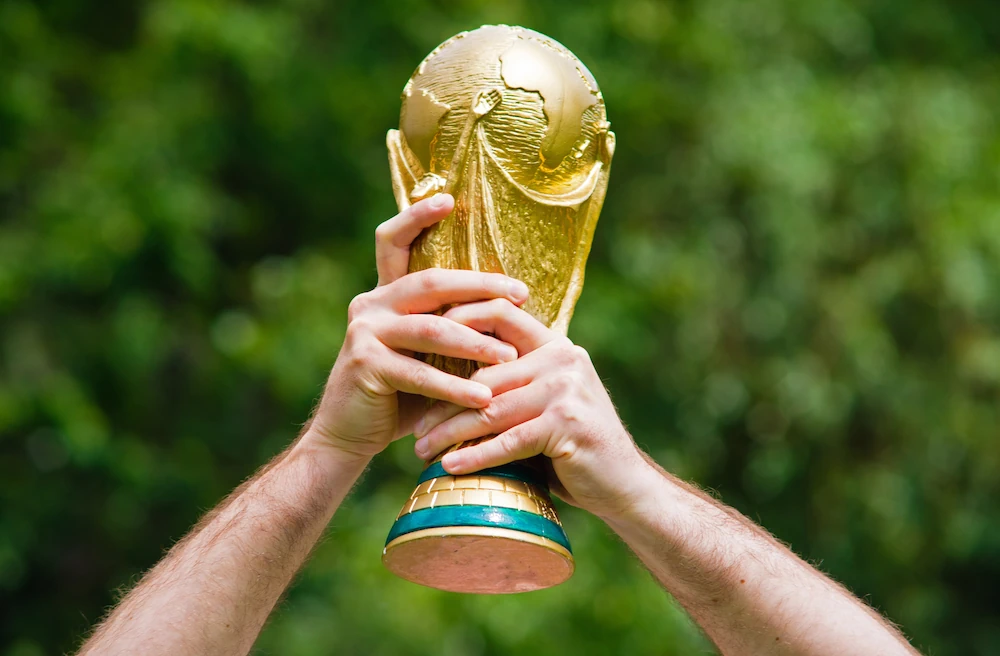
Lionel Messi remains central, but this story extends beyond one player. Momentum, structure, and experience now shape Argentina's path as they pursue a rare achievement: a successful World Cup title defense.
Argentina's Road to Another Final Begins Now
The bracket is set, and Argentina's route forward is clear on paper based on group-stage positioning and seeding. The reality, as always in knockout football, will be far less predictable.Round of 32: A Historic Underdog Awaits
Cape Verde arrives with nothing to lose and everything to gain on the global stage. A nation of just half a million people, unbeaten through a difficult group, now stands opposite the defending champions. On talent alone, the gap is obvious in terms of squad depth.Argentina carries depth, experience, and players used to this stage of tournament football. Still, knockout football rarely follows expectations. An early goal can settle nerves, while one missed chance can quickly shift the tone. Argentina knows the stakes.
The Quarter of Opportunity
Progression would bring Australia or Egypt next, followed by a potential quarterfinal against Colombia or Switzerland. This stretch of the bracket appears manageable compared to other paths, though that label can be misleading.Teams at this stage are organized, resilient, and capable of frustrating even the most fluid attacks. A closer look at the wider draw, via the FIFA World Cup bracket 2026, shows how quickly matchups can shift depending on results elsewhere.
Where the Road Gets Toughest
As Argentina advances, the competition sharpens with each round. Brazil, England, or another heavyweight could await in the semifinals, where margins narrow and every detail matters. Argentina has the experience and composure, but sustaining it under pressure will be essential.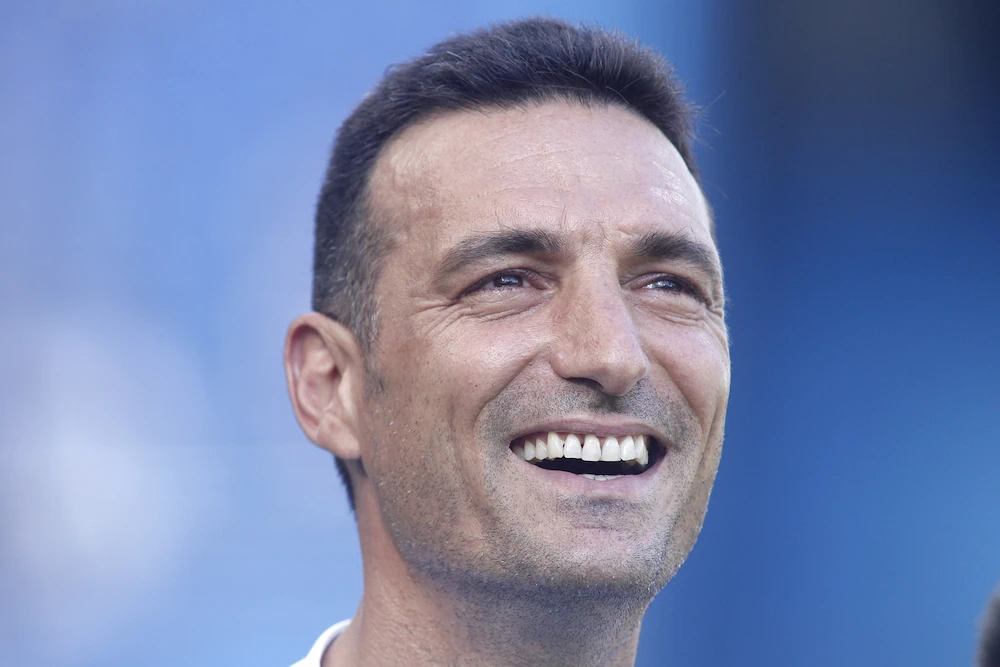
©
Lionel Scaloni
Why Argentina's Momentum Feels Different This Time
Momentum is often overused in tournament football. In Argentina's case, it feels earned rather than assumed. A perfect group stage did more than secure progression. It helped establish a clear rhythm heading into the knockout rounds.Eight goals scored and just one conceded tell part of the story. Matches were controlled rather than chased, with Lionel Scaloni rotating his squad without disrupting cohesion. Even Messi's managed minutes reflected a team planning beyond the immediate.
Calmness stands out most. The tension that once followed Argentina into major tournaments has faded, replaced by a quieter confidence. Success in recent competitions has reshaped expectations within the squad and reinforced belief in their approach.
Argentina's performances have also kept them firmly in the conversation among tournament favorites, with Argentina World Cup odds highlighting their place in the wider race for the 2026 title. Momentum, in this sense, is not just form. It is belief sustained over time.
©
Messi Is Still Driving the Story
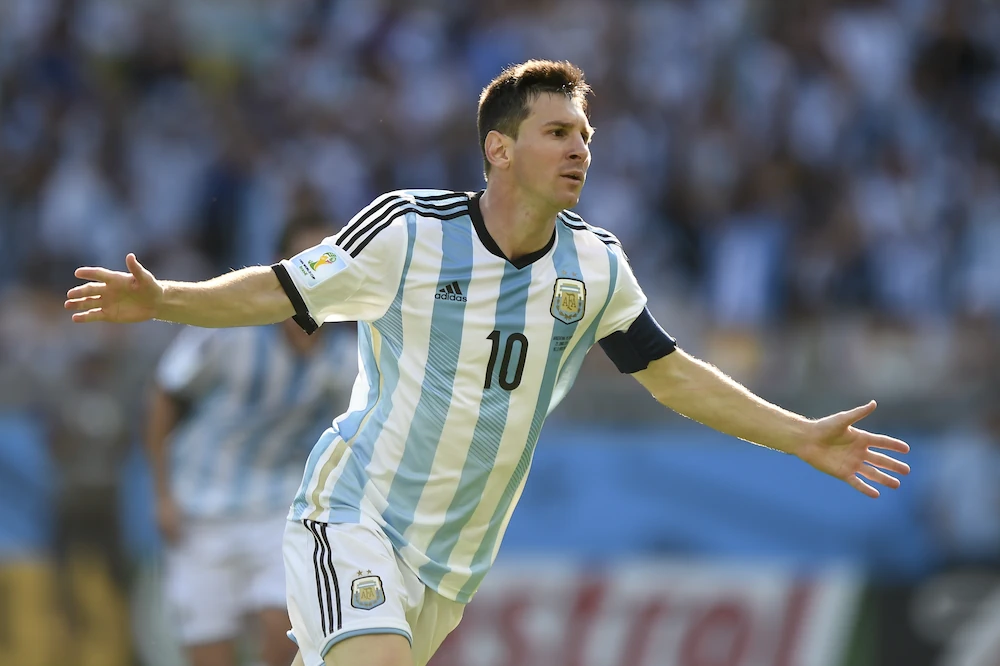
Numbers tell part of the story. A hat trick against Algeria. Two goals against Austria. A late free-kick against Jordan that felt almost inevitable. Seven consecutive World Cup matches with a goal. Nineteen in total across his career. Those are historic markers.Impact extends beyond scoring. Defenses still collapse toward Messi when he receives the ball, opening space elsewhere. Teammates benefit from the attention he commands, and few players have shaped matches so consistently at this stage.
Decision-making defines his influence now. When to slow play. When to accelerate. When to take the moment himself. Those choices often dictate the tempo of Argentina's entire attack. Age has reduced his physical output, not his control over the game.
Teammates follow that lead. Younger players, many experiencing their first deep World Cup run, operate with clarity because the structure around them is stable. Messi remains the focal point, but not the sole driver. That distinction matters.
Scaloni's Title Defense Is Built on More Than Star Power
Argentina's strength lies in how little depends on one idea or one player. That balance allows them to adjust mid-game without losing control or structure. Scaloni has built a system that adapts without losing identity.The foundations of Argentina's success include:
- Intelligent squad rotation to manage energy across matches,
- Tactical flexibility between possession control and compact defensive setups,
- A balanced midfield featuring Enzo Fernández, Alexis Mac Allister, and Rodrigo De Paul,
- Defensive stability anchored by Emiliano Martínez and Cristian Romero,
- Attacking depth through Lautaro Martínez, Julián Álvarez, and emerging options.
Each piece serves a clear purpose. Players understand roles. Transitions feel coordinated rather than reactive across different phases of play. That cohesion becomes more valuable as matches tighten and decisions carry greater weight.
Depth also shapes how Argentina approaches games late in knockout matches. Fresh attacking options allow them to maintain pressure without overextending. That ability often separates teams that reach semifinals from those that fall earlier.
What Could Complicate Argentina's Repeat Bid
Defending a World Cup introduces challenges that extend beyond tactics. Every opponent approaches the champions differently, with added focus and motivation. Margins narrow quickly once the tournament shifts into elimination football.Breaking down disciplined, low-block defenses becomes one of the first tests in the knockout-stage. Patience is required, especially against teams content to absorb pressure and wait for moments on the counter.
Fatigue and travel add another layer as schedules stretch across multiple host cities. An expanded tournament demands more matches across multiple cities, forcing teams to manage energy carefully while maintaining consistency from one round to the next.
Pressure builds as the competition deepens with stakes rising in each knockout round. Each opponent grows stronger, and each moment carries more weight. Argentina has navigated these situations before, but repeating that process remains the real challenge.
The Chance to Join World Cup History
Only one men's national team has defended a World Cup title in the modern era. Brazil did it in 1958 and 1962. That history frames what Argentina is attempting now.This squad combines experience with emerging talent, structure with creativity, and belief with discipline across multiple tournament scenarios. Messi's presence adds weight to the moment, but the outcome will depend on the collective.
Knockout football offers no guarantees. It only offers opportunity. Argentina has placed itself in position. What comes next will determine whether this run becomes historic.
*Content reflects information available as of 2026/07/01; subject to change.